
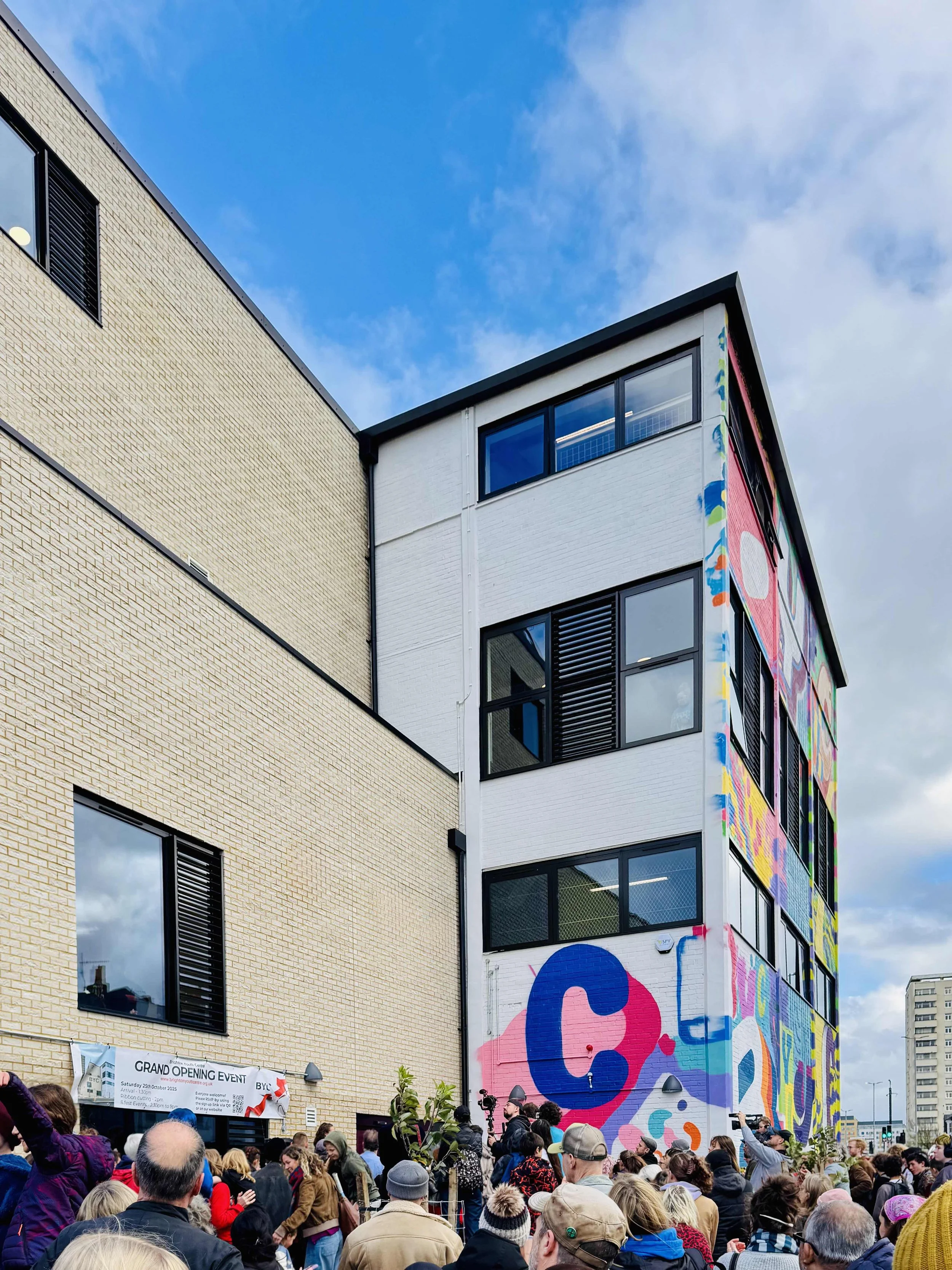
A New Chapter Begins: The Opening of Brighton Youth Centre
The Brighton Youth Centre stands as a striking landmark in the city’s cultural and architectural landscape — an ambitious renovation and extension that redefines what community architecture can achieve in the 21st century. Designed by Alter Architects, a leading architectural practice in Brighton and Hove, the centre embodies a radical yet sensitive approach to contemporary architecture and sustainable design. It is both a renewal of a long-standing community asset and a bold piece of modern architecture in Sussex, seamlessly blending heritage with forward-looking form.
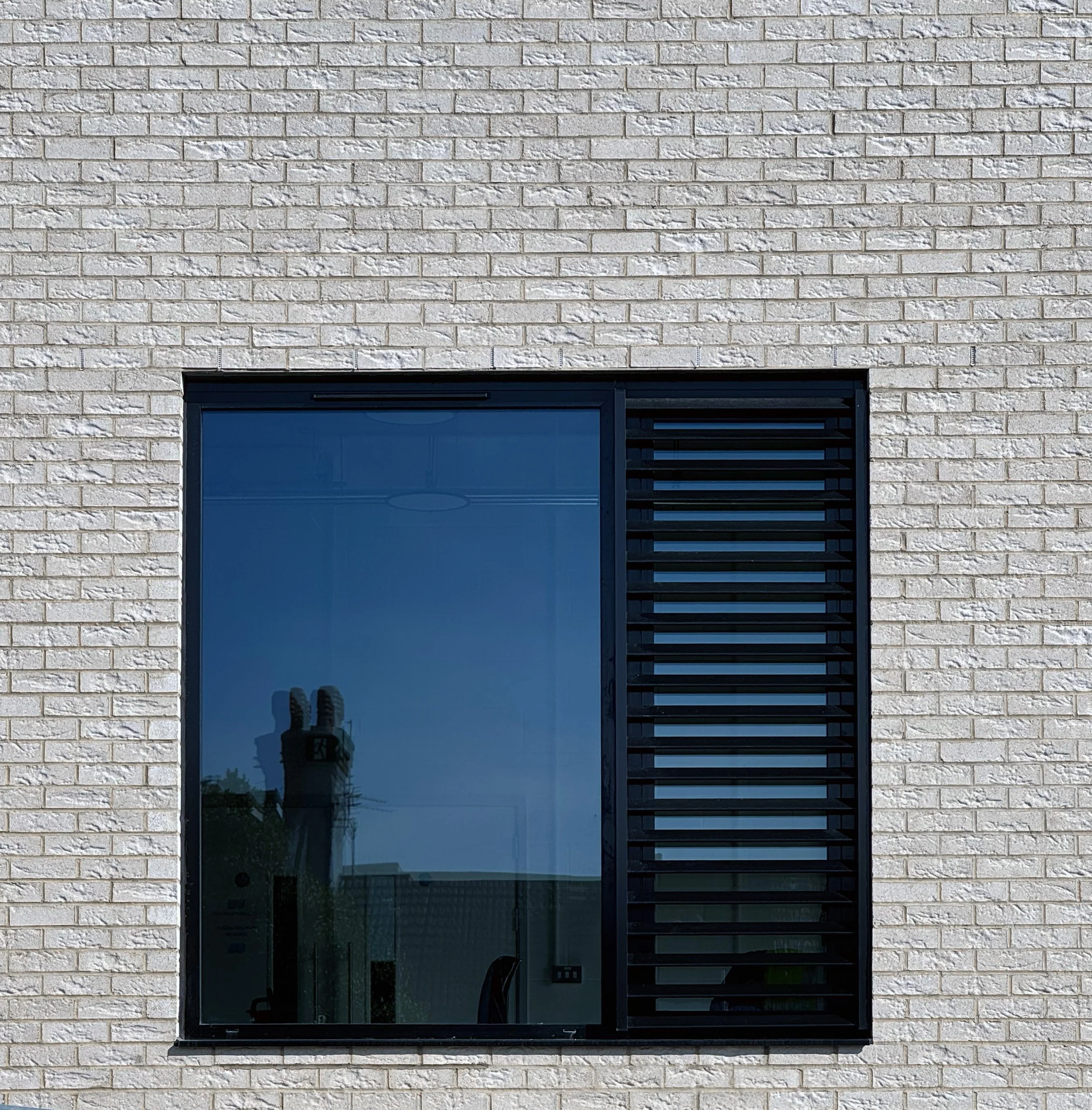
Situated at the heart of Brighton, a city renowned for its creativity, inclusivity, and design innovation, the new Brighton Youth Centre offers a dynamic social infrastructure built for adaptability and longevity. The architectural renovation respects the memory of the existing building, revealing its historic layers while extending outward with a striking addition that embraces openness and light. The contemporary extension — composed of glass, steel, and locally sourced brick — creates an instant dialogue between the past and future of the site. Every gesture in the design communicates confidence and clarity: wide-span glazing dissolves the boundary between inside and out, timber detailing softens industrial edges, and flexible layouts transform according to community need.
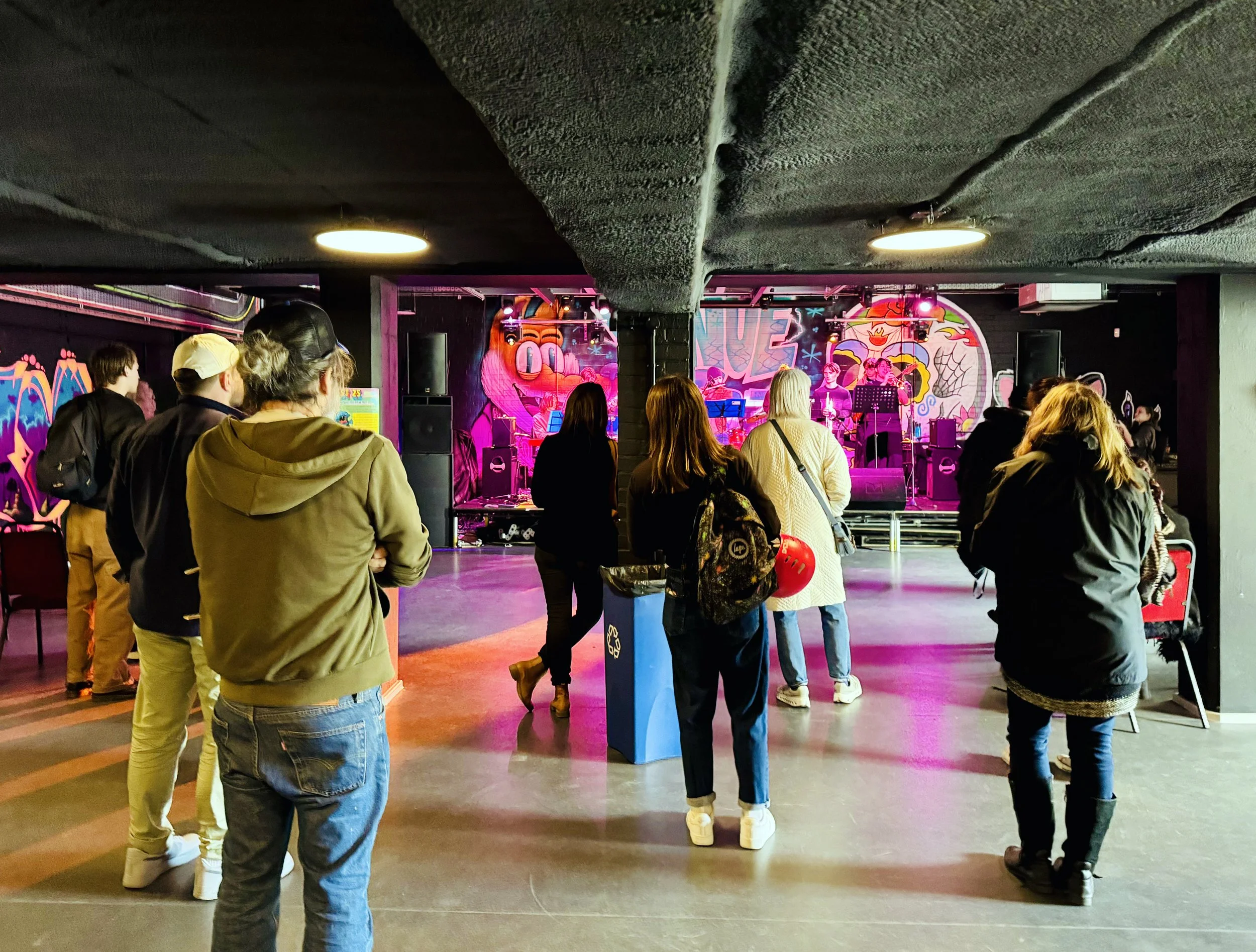
The project represents a significant collaboration between architects, young people, and local stakeholders, reflecting Brighton and Hove’s progressive civic ethos. Rather than imposing a singular architectural identity, Alter Architects pursued a process of participatory design — shaping spaces that are co-authored, democratic, and capable of continual reinvention. The result is a physical environment that supports mentorship, creativity, and enterprise while embedding inclusivity into every level of the spatial framework. It foregrounds the idea that architecture can be an active participant in shaping community life.
Central to the success of this Sussex architecture and design project is its environmental sensitivity. Sustainability is not treated as an add-on but as a design philosophy. Renewable energy systems, natural ventilation, and adaptable passive shading reduce reliance on artificial climate control. Materials were selected for low embodied carbon, durability, and tactility. The architects worked with local suppliers and contractors — reinforcing Brighton’s ecosystem of socially responsible, place-based design. Rainwater harvesting, permeable landscaping, and integrated biodiversity zones stitch the building into its wider environmental context, ensuring the Brighton Youth Centre remains as ecologically resilient as it is socially useful.
Inside, the centre is a living organism of activity. Acoustic performance, daylight quality, and spatial flexibility were all carefully calibrated to accommodate diverse uses — from quiet study corners and performance spaces to social enterprises and art studios. Here, adaptability is not simply functional but philosophical; the building is designed to evolve with its users. Young people have been integral to this process, influencing decisions about layout, materials, and programs, thereby grounding architectural ambition in authentic, lived experience.

The extension also transforms the physical relationship between the centre and the city. Transparent façades and permeable landscaping redefine it as part of a wider urban narrative — a community architecture project in Brighton that opens itself to the street rather than withdrawing behind walls. The interplay of light and transparency creates a sense of constant invitation, a civic generosity that mirrors the openness of Brighton’s social character. This is architecture as dialogue: between generations, between materials, between public and private space.
From a design perspective, the Brighton Youth Centre renovation establishes a compelling model for modern architecture in Sussex. It demonstrates how thoughtful design can regenerate underused structures without erasing their identity. The project’s spatial rhythm — from solid to void, from intimate to expansive — reflects the city’s own diversity and movement. It is a building that acknowledges the importance of the everyday while elevating it into something extraordinary.
Socially, the centre’s impact extends beyond its walls. It represents a new model for how Brighton architects can engage directly with pressing social needs through design. It is both shelter and stage — a platform for education, art, enterprise, and wellbeing. Its architecture fosters interaction, not hierarchy; exploration, not instruction. Every space, every line of sight is intended to provoke participation and imagination. In this sense, the project functions as a manifesto for architecture’s civic role: that buildings can be engines of empowerment when they invite their users to take control.
The Brighton Youth Centre captures what defines both the city and the wider Sussex architecture scene: experimentation grounded in empathy. Alter Architects’ approach — equal parts contemporary renovation, sustainable architecture, and community engagement — illustrates the transformative potential of design when anchored in local context. By respecting history and inviting progress, the building symbolizes renewal through collaboration.


This opening marks more than the completion of a long-awaited project. It symbolizes the start of a new conversation about the future of public architecture in Brighton and beyond. It challenges architects, policymakers, and communities across the region to think differently about how buildings serve people — not as static containers but as evolving platforms for collective life. The centre stands as a confident signal of intent: that Brighton, Hove, and Sussex remain at the forefront of socially responsible, forward-thinking architectural practice.
As Grant Shepherd of Alter Architects remarks, “Architecture must move with life, not against it. This building is an engine for possibility — open, honest, and alive.” The Brighton Youth Centre embodies that ethos entirely — a contemporary Brighton building forged from history, shaped by participation, and destined for the future.
