RESTAURANTS, BARS, CAFÉS & HOTELS
Hospitality Architects
We're hospitality architects, and we treat a restaurant or a bar as a working machine as much as a good-looking room. Hospitality design isn't only about how a place looks. It's how people gather, how the staff move, and whether the room still works on a packed Friday night. We balance the atmosphere with the practical stuff: acoustics, flow, the kitchen line. We'll take a café fit-out or a whole commercial development from first idea to opening night, and we design the building and the interiors together, so nothing feels bolted on.
Cafés & Coffee Bars
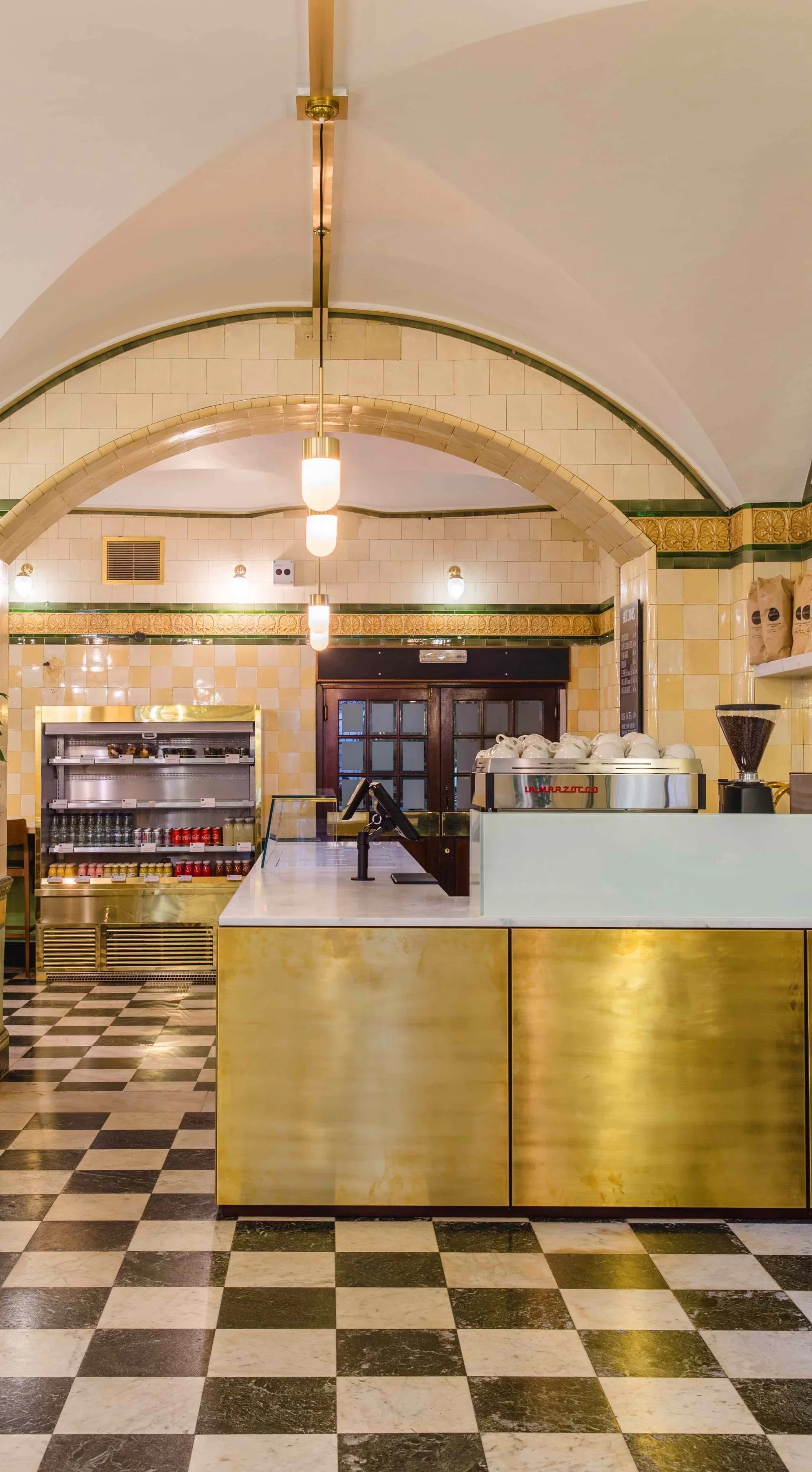
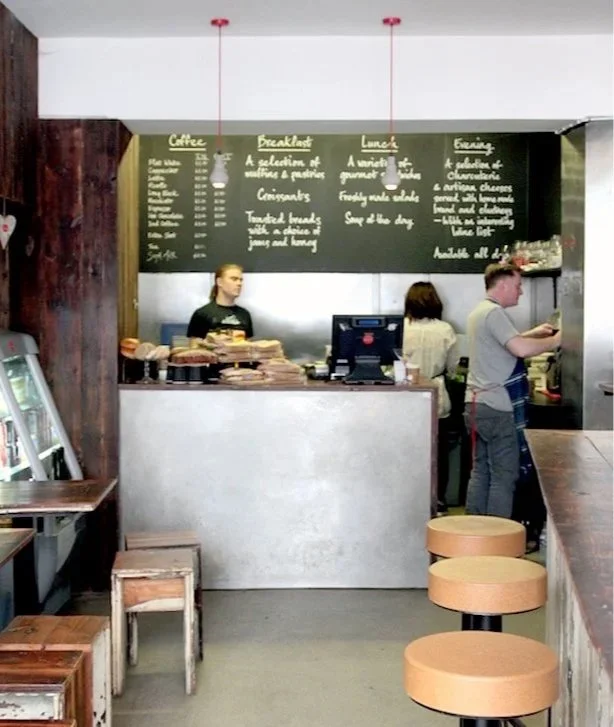
In café and coffee-bar typologies, hospitality architecture prioritises brand awareness, guest circulation, queue management, and visibility of offer, supported by carefully choreographed service routes and ergonomic counter design. Spatial strategies draw on research into third-place culture and workplace hospitality, balancing high-throughput zones for grab-and-go with micro-environments suited to longer dwell times, remote working, and informal meetings.
Back-of-house layouts are conceived as production infrastructures, where storage, preparation areas, and delivery interfaces are aligned with lean operations and foodservice efficiency. This operational lens minimises congestion at peak dayparts, allowing environmental comfort, acoustic control, and biophilic elements to perform their role in shaping customer satisfaction and repeat visitation.
Restaurants & Dining Rooms
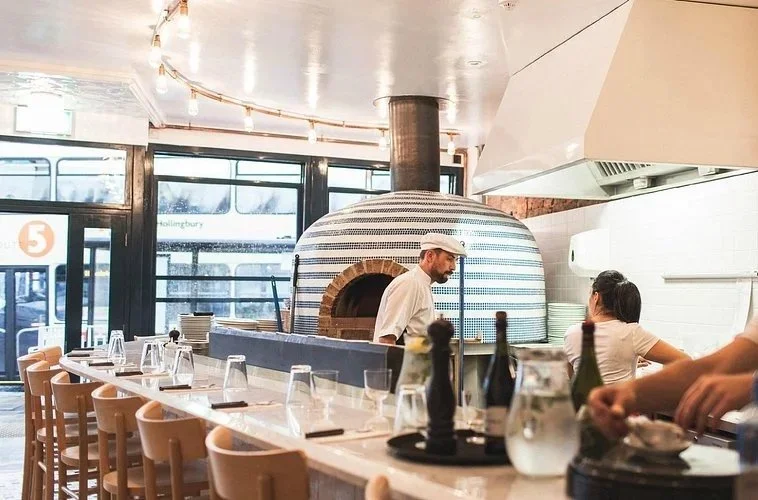
Restaurant and dining-room design is situated within broader discourse on hospitality design, guest journey mapping, and spatial storytelling. Dining areas, kitchen, and pass are treated as a single service ecosystem, where capacity planning, table mix, and server routes are calibrated to balance experiential quality with revenue per seat hour.
Environmental parameters such as acoustic absorption, layered lighting, and thermal comfort are deployed to support multiple dayparts and modes of use, from breakfast service to tasting menus and private events. This aligns with contemporary hospitality architecture research that emphasises flexibility, adaptable ambience, and the orchestration of sensory cues to enhance perceived hospitality value.
Multi-venue Hospitality & Mixed-Use
In hotels, members’ clubs, and large mixed-use buildings, hospitality design organizes restaurants, public areas, and facilities. Circulation, signage, and zoning shape clear guest routes and link kitchens, storage, and service areas for smooth operations. Working with hospitality consultants and managers brings in operational benchmarks, brand strategy, and asset management. The result is a unified approach where space, service flow, and commercial performance are designed together using evidence and practical criteria.
Retail, Deli, & Hybrid Hospitality Spaces
Hybrid formats—such as delis, bottle shops, bakeries, and concept stores—are interpreted through the lens of mixed-use hospitality architecture and experiential retail. In these settings, display, tasting, and seating zones are integrated to support omnichannel customer journeys, blurring boundaries between retail consumption, on-site dining, and brand storytelling.
Back-of-house and logistics planning follows principles from retail operations and supply-chain design, ensuring efficient deliveries, storage, and stock rotation without compromising front-of-house ambience. This systems-based approach allows hybrid venues to function as both commercial platforms and social infrastructures, consistent with research on place-making and community-oriented hospitality design.

Wine Bars & Cocktail Venues
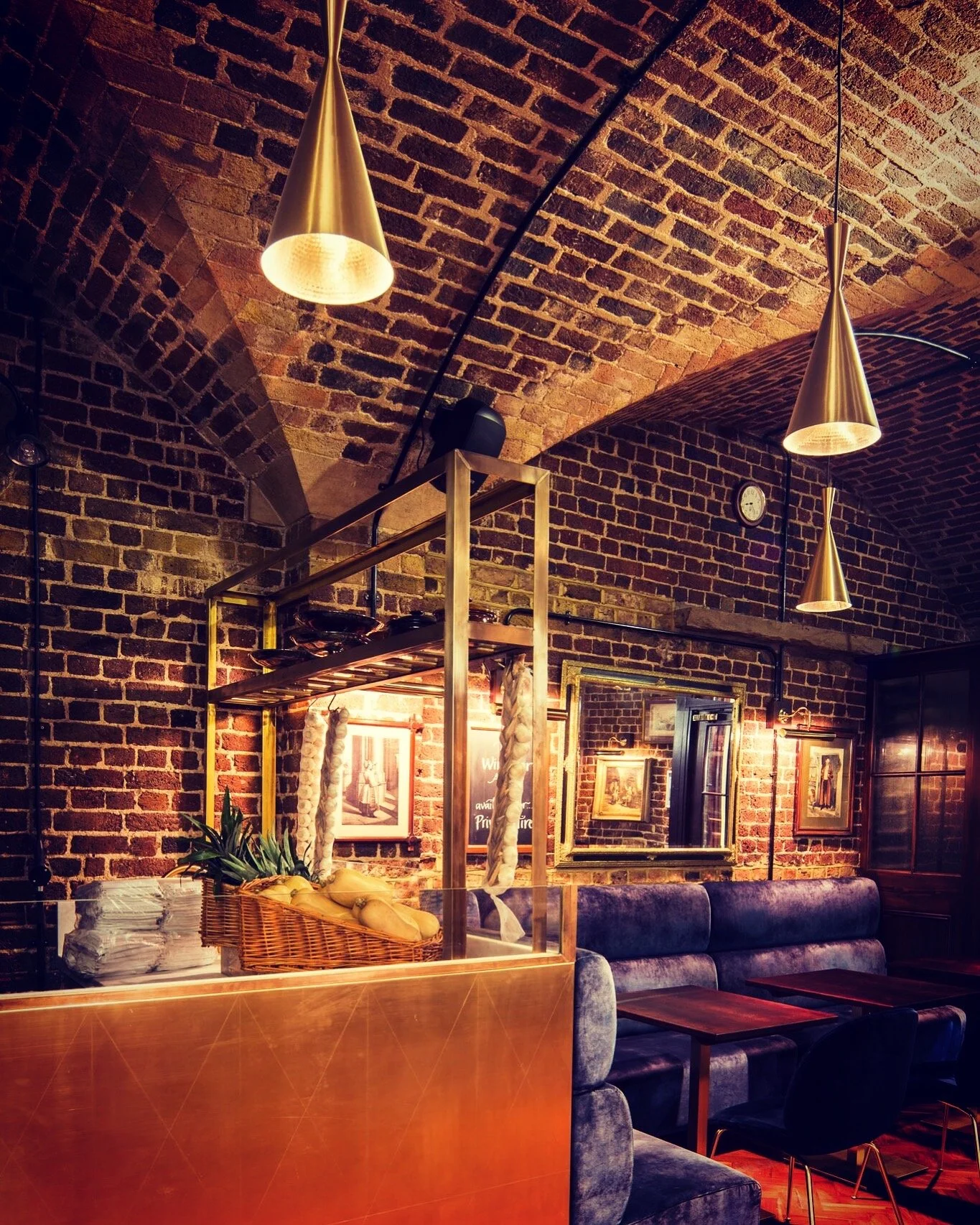
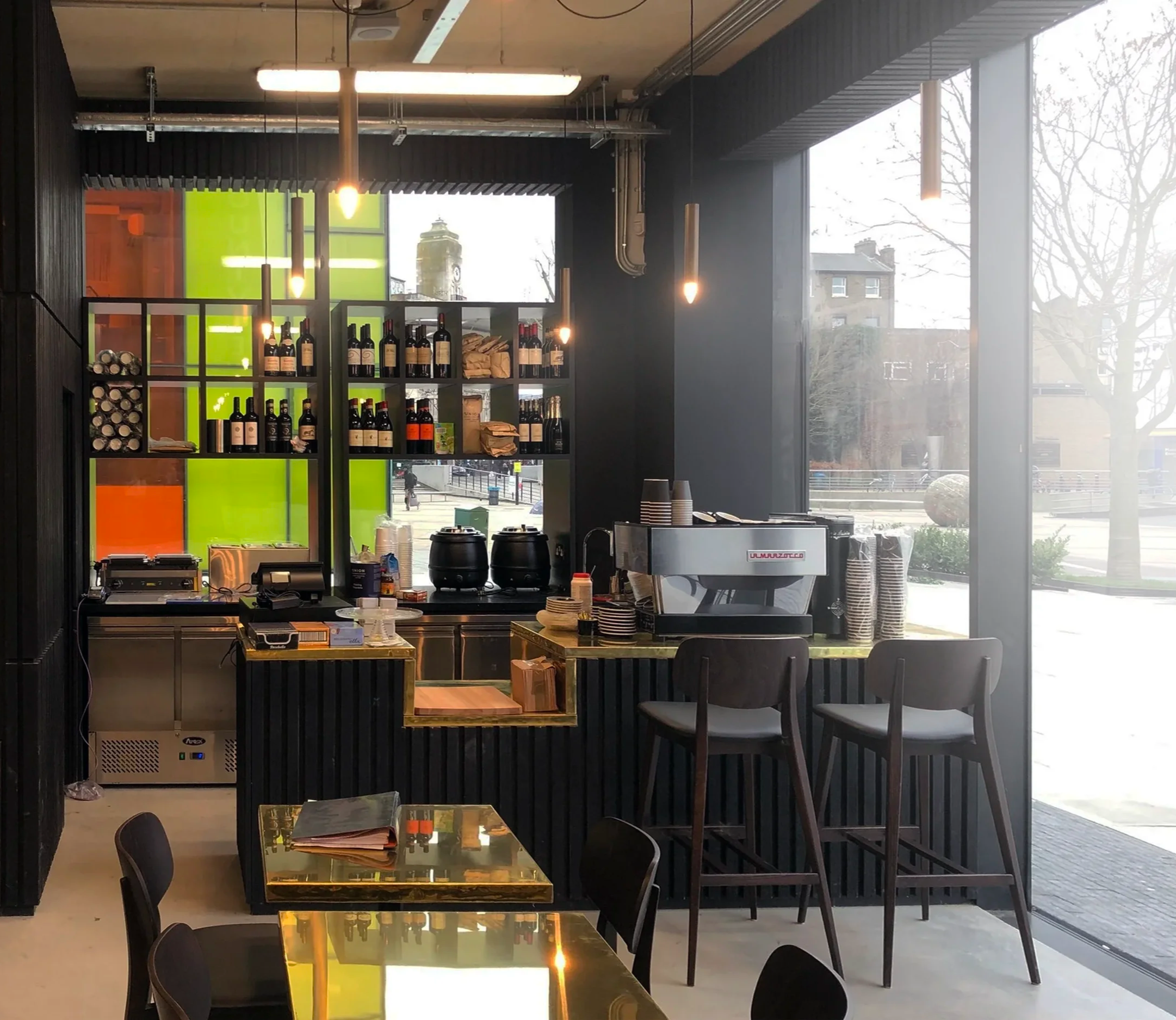
Planning your new wine bar or cocktail venue? Focus on experience-driven hospitality design where smart lighting, acoustics, and atmosphere boost guest dwell time, perceived value, and repeat visits—key to standing out in the competitive UK market. Expert hospitality architecture prioritises intuitive bar layouts, clear sightlines, and eye-catching display systems, using clever zoning to mix cosy intimate nooks for dates with vibrant social hubs for groups.
For operational success, model your back-of-house like top food and beverage pros: optimise mise-en-place stations, ergonomic back-bar setups, efficient staff circulation, and quick cellar access to deliver flawless service every shift. This blend of spatial flow and practical infrastructure powers premium beverage menus, cuts bottlenecks during peak hours, and builds a memorable brand through tactile materials, mood-enhancing lighting, and sustainable touches that attract eco-aware customers.
Ready to turn your wine bar vision into a profitable reality? Partner with architects experienced in UK hospitality projects for custom layouts that maximise revenue from day one.