

Adapt, Foster Dialogue & Evolve
Nine Years On: The Happenstance Archway
Nine years have passed since The Happenstance Archway first emerged as a public invitation — a built gesture that asked Brighton’s citizens to pause, interact, and reimagine their relationship with space. Conceived as both structure and statement, it explored how contemporary architecture can act as a platform for cultural regeneration, open to interpretation and collective participation.
The Archway stood not as a monument but as an experiment in place‑based design — an exploration of how the public realm can strengthen social connection and civic identity. It invited people to see the city not as a backdrop, but as a dynamic environment shaped by everyday use and shared imagination. What began as a temporary intervention has endured as an idea: that good architecture is not static but situational, defined by its ability to adapt, foster dialogue, and evolve with the community.
As we reflect nine years on, The Happenstance Archway remains a touchstone in our practice. Its core values — collaboration, inclusivity, and the balance between heritage adaptation and innovation — continue to guide how we approach design across scales: from reimagining existing structures to developing sustainable frameworks for urban growth. It reminds us that meaningful design grows from sensitivity to context and an openness to change.
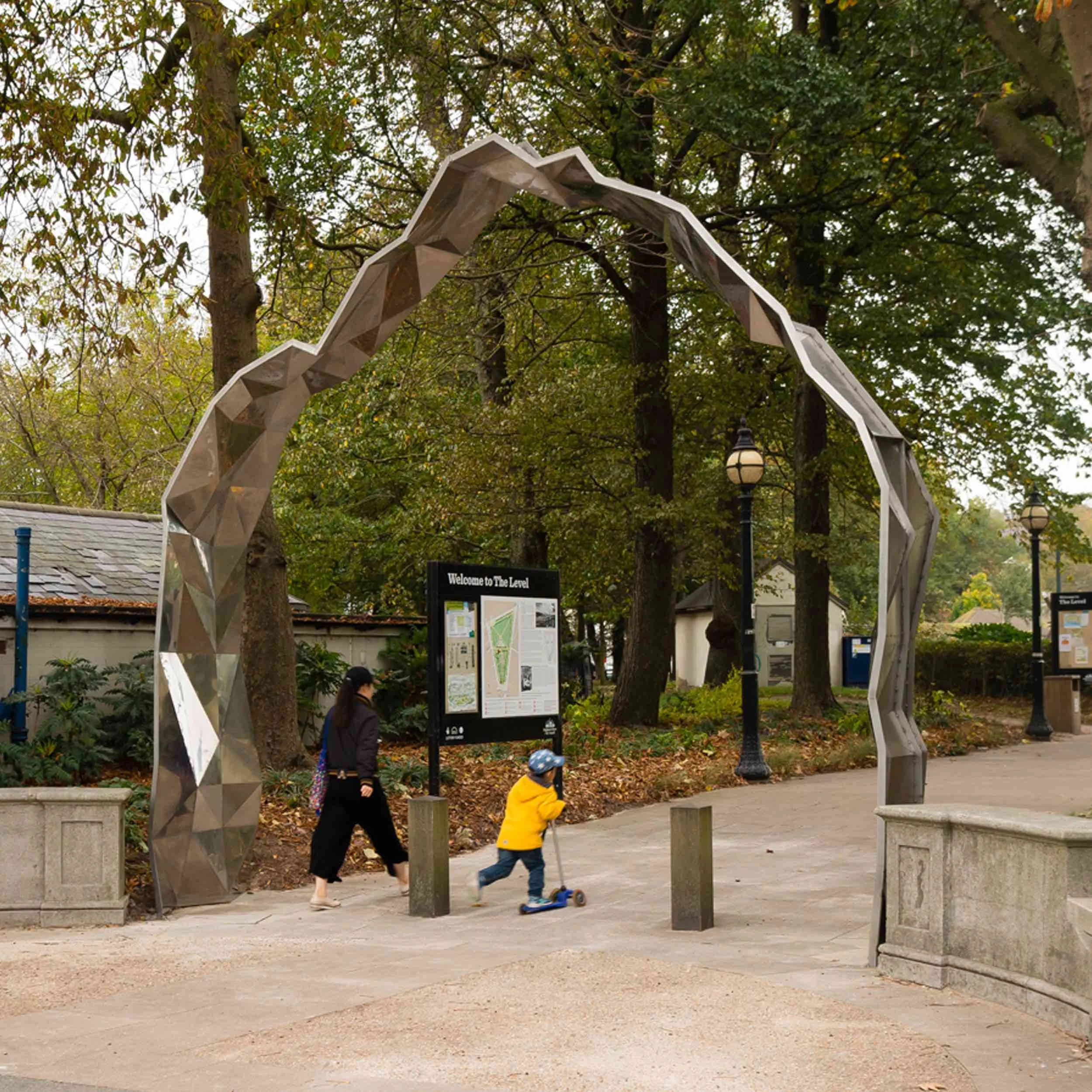
“Culture is lived in the present — it shapes our existence and gives meaning to what it is to be human. Time is fleeting within a single lifetime, yet through culture we leave traces that affirm our existence for future generations. Humanity sits at the heart of culture; through language, art, knowledge, and architecture we project echoes of our time, defining the values and voices of our communities. As citizens of culture, our identities are shaped by the built world around us. From the coastline to the countryside, our landscapes are dense with opportunity. Throughout history, architecture has reflected the culture of its age, embodying the life of the community. When well-designed, these spaces have the power to positively influence the people within them. We are custodians of a cultured past and inventors of the present. To move forward responsibly, we must balance heritage and innovation — look back with respect, while allowing new ideas to evolve and inform the culture of today.
The geometry of our cities has grown from agriculture through industry, fixed now within grids of density. To sustain future growth, we must reimagine building models and typologies, embracing ‘heritage’ not as a static relic, but as a foundation for contemporary architecture. A fixed mindset leads to a limited, compartmentalised building stock. A progressive one creates space for adaptation, inclusivity, and renewal.
It is time to see our urban landscapes through a new lens — to remain open to ideas and ask bigger questions about how we wish to live and contribute to culture. Brighton, with its diversity and energy, offers fertile ground for this evolution. Yet as creative enterprises and grassroots initiatives thrive, many businesses face spatial limitations that hinder their growth and investment potential.
Architecture and culture must therefore work symbiotically — responding to current realities while anticipating future needs. Together they can drive productivity, attract inward investment, and nurture culture itself. The Cultural Framework invites us to rethink how creativity is structured within the city: how we plan, educate, and connect with one another; how the public realm can express a distinctly Brightonian identity; how communities can help shape development; and how culture can champion inclusivity, wellbeing, and our fundamental human right to participate in the life of our city.”
Grant Shepherd, Daring to be different, Brighton & Hove Cultural Frameword
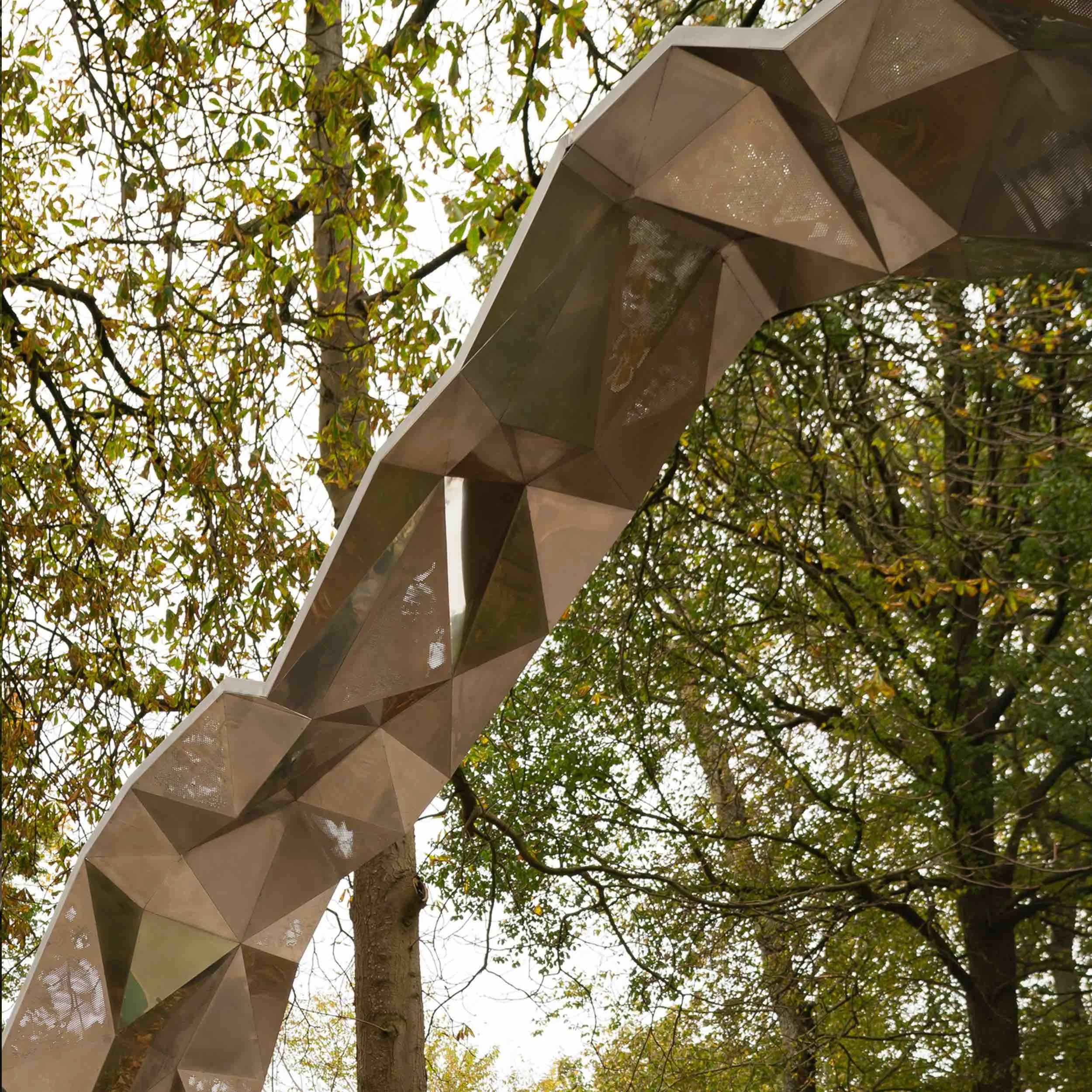
Nine years on, the Archway continues to influence how we think about sustainable development, community engagement, and design for wellbeing. It stands as a reminder that progressive design emerges from collaboration — between disciplines, communities, and generations. Its legacy endures not only in the memory of a single intervention but in the ongoing conversation it sparked about how architecture, culture, and the urban landscape evolve together.
At Alter Architects, we remain committed to this spirit of exploration — reimagining heritage as a living framework for innovation and working collaboratively to design places that sustain both cultural life and environmental resilience. The Happenstance Archway began as a moment of connection; today, it continues to shape our thinking on what it means to build with meaning and humanity.
AUTHOR
FURTHER READING
EXTERNAL PAPERS