Edge Conditions: Why The Coastal Extension Matters
The south coast from Kent through Sussex, Hampshire, Dorset, Devon and into Cornwall is a zone of elevated wind load, salt‑laden air and intense rain penetration risk, especially within 500m to 5km of the shoreline. National and warranty guidance now treats these locations as “aggressive environments”, insisting that new work, including house extensions, demonstrates durable materials, resilient detailing and long-term maintainability.
In this context, Alter Architects position coastal extensions as carefully tuned interventions rather than simple additions, using spatial reorganisation, fabric upgrades and contemporary materials to unlock better performance from existing housing stock.
Spatial Dynamics: Stitching Old & New
The most successful single and two storey extensions on the south coast are spatial mediators, reorganising plan and section to connect dark cellular interiors to light, views and gardens without compromising environmental robustness. Rather than simply projecting a box into the garden, these extensions often re‑profile circulation, align sightlines and widen thresholds so that internal flows now run diagonally from street to sea or courtyard to horizon.
Key spatial moves Alter Architects frequently deploy along this coast include:
Pulling kitchen and living spaces to the garden or sea‑facing edge while relocating cellular functions deeper into the plan.
Using double‑height or split‑level volumes in two storey extensions to borrow light and views across floors.
Introducing widened “hinge” zones—utility, boot rooms, stair halls—that act as thermal and spatial buffers between exposed facades and the warmer heart of the home.
In two storey configurations, stair placement becomes a major spatial device, with linear, switchback or compact winders used to frame views and control privacy between levels. For example, a stair can rise against a side wall, pulling light in from a tall slot window while protecting the more open, glazed elevation from direct overlooking and wind‑driven rain.
Single Storey Extensions: Low, Layered & Protected
Along exposed stretches of the English Channel, single storey extensions often make sense as low, wind‑shedding volumes that can sit comfortably beneath existing eaves or parapets. They typically act as thickened edges to the house, concentrating insulation, structure and solar control in a compact depth that buffers the original fabric from wind and rain.
Common characteristics of well‑resolved single storey coastal extensions include:
Low, compact forms with limited parapet height, reducing uplift and lateral wind loading.
Roofs that combine modest overhangs, carefully detailed gutters and robust membranes to resist wind‑driven rain.
Highly insulated floor and roof build‑ups (often timber or hybrid timber–steel) to mitigate thermal bridging at the junction with existing walls.
Two Storey Extensions: Vertical Performance & Views
Two storey extensions along the south coast introduce an additional set of technical and spatial questions: increased wind loading, greater visibility within streetscapes and more complex relationships between neighbour amenity and long‑distance views. They also offer the opportunity to treat the extension as a vertical environmental device—stacking uses and performance layers to make a compact, efficient volume.
Typical two storey strategies include:
Placing bedrooms or study spaces at first floor to exploit improved outlooks while keeping day‑to‑day family living at ground level.
Using the upper storey to shade and shelter the ground floor, either through cantilevered forms or recessed glazing.
Concentrating structural bracing and more solid wall elements on the windward side, with more open glazing to leeward elevations.
In planning terms, these extensions must respect coastal character and avoid exacerbating risks within Coastal Change Management Areas, as set out in the National Planning Policy Framework.
Sustainability In A Maritime Climate
Sustainability along the south coast is not an abstract aspiration; it is closely tied to managing wind, rain, temperature swings and salt exposure over the lifetime of the building. Technical guidance emphasises that coastal developments should reduce risk from coastal change, avoid inappropriate development in vulnerable areas and deliver wider sustainability benefits such as reduced energy consumption and improved resilience.
We therefore typically align coastal extension design with several core sustainability principles:
Highly insulated, airtight envelopes with controlled ventilation (often MVHR) to reduce operational energy and limit moisture ingress.
Durable, low‑maintenance materials with proven performance in marine environments.
Compact forms and efficient structural systems that minimise embodied carbon while facilitating future adaptation or disassembly.
In Cornwall and the wider south west, precedents show “stick‑built” twin wall timber frames, locally felled Douglas fir and small pad foundations used to reduce concrete volumes and environmental impact on steep or sensitive sites. These approaches can be adapted for less exposed parts of the south coast, always calibrated to local wind pressure, soil conditions and access constraints.
Contemporary Materials For Coastal Durability
Material decisions along the south coast have to reconcile three demands: resistance to marine exposure, meaningful connection to place and contemporary architectural expression. This has encouraged a palette that pairs durable industrial products with tactile natural finishes.
Common strategies include:
Engineered timber and timber frame: Pre-fabricated timber systems are popular for coastal extensions due to speed of erection, precision and compatibility with high levels of insulation. They enable generous cantilevers, large openings and fine internal detailing, while externally relying on carefully specified cladding and coatings to resist weathering.
Brick and block with coastal tolerance: Along beaches in Kent and Sussex, long-format Danish bricks and dense masonry units are used for their strength and low porosity in white and dark tones. These provide a graphic, contemporary reading while standing up to wind-driven rain and impact from shingle.
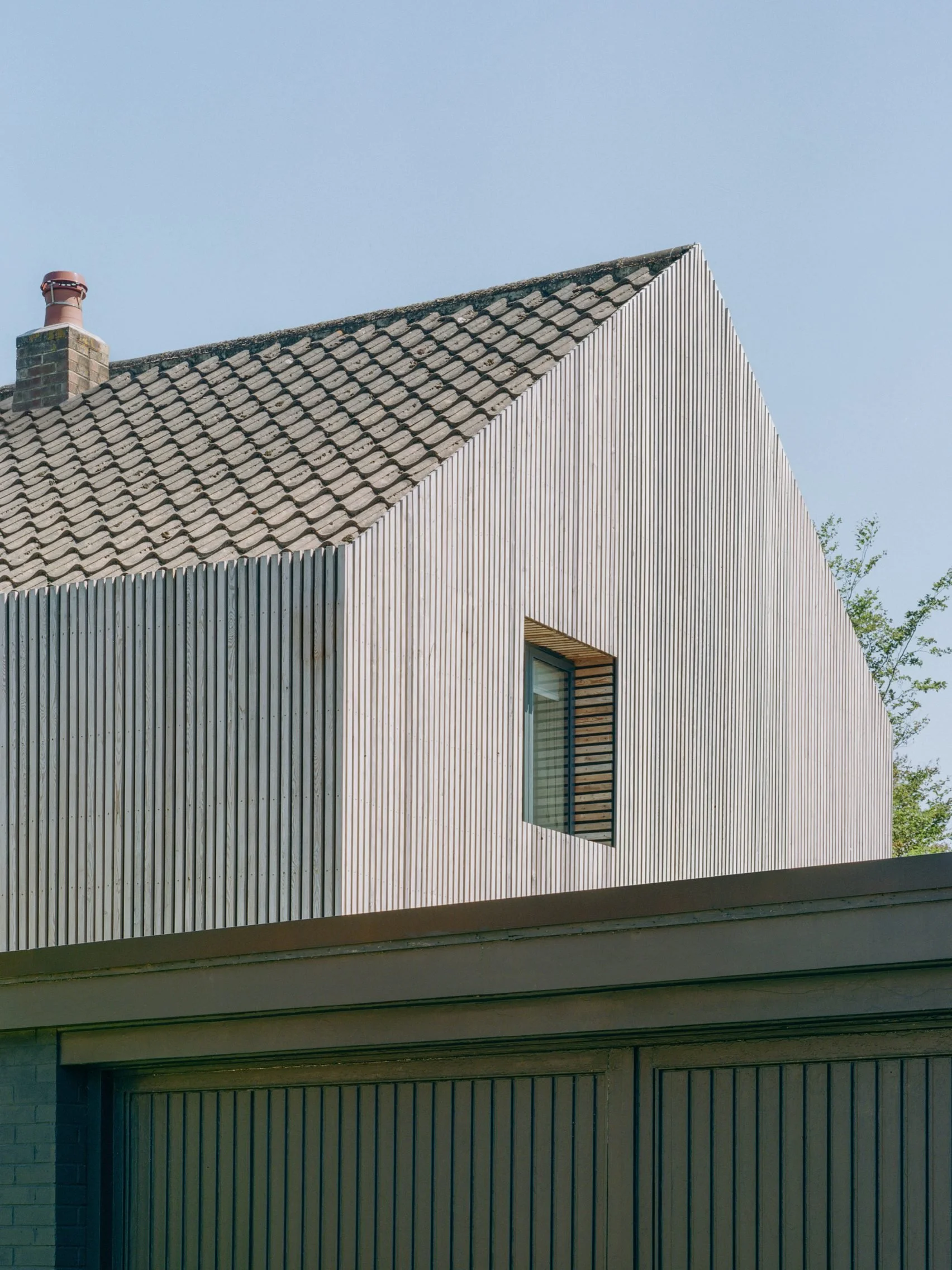
Modified and durable woods: Accoya and similarly treated timbers appear frequently in slatted screens, balustrades and rainscreen cladding, chosen for dimensional stability and resistance to rot in exposed conditions. The fine grain of such timbers allows intricate screening that filters light and wind.
Render and micro-cement: Smooth renders in pale tones, sometimes paired with micro-cement floors internally, are used to reflect light and shed water while offering a calm backdrop to sea views. Their apparent simplicity belies the importance of detailing to avoid cracking under coastal movement and moisture cycles.
Low-tech natural construction: In parts of Devon and Cornwall, architects are re-introducing cob, earth bricks and straw bale systems to contemporary envelopes, combining high thermal mass with breathable walls. These techniques, when coupled with modern detailing, offer a distinctly local response to sustainability and tactility.
Internally, lower levels exposed to sand and wet gear often swap timber floors for hard-wearing tile or micro-cement to cope with abrasion, while upper levels revert to timber for warmth underfoot. This gradient of material robustness reinforces the reading of the extension as a carefully tuned instrument between shore and shelter.
Low‑Energy Envelopes & Services Integration
Modern extensions from Kent to Cornwall are also an opportunity to retrofit whole‑house energy strategies, especially where the existing building predates robust insulation standards. New envelopes can wrap and upgrade thermal performance at key junctions, while services such as solar PV, solar thermal and MVHR can be integrated into extension roofs or plant spaces.
Projects in Cornwall demonstrate the use of:
Twin‑wall timber frames filled with high‑performance insulation, achieving low U‑values.
Triple‑glazed timber windows and doors with careful flashing and sealant detailing to resist wind‑driven rain.
Whole‑house MVHR, small‑bore hot water systems and efficient underfloor heating, sometimes supplemented by wood stoves.
These technologies can be adapted along the coast according to orientation, overshadowing and local climate profiles—for example, optimising solar collection in more open, west‑facing Cornish bays versus managing summer gains in more sheltered Sussex terraces. Internal links from Alter Architects’ journal articles to dedicated pages on “Sustainable Design”, “Coastal Extensions” and “Low‑Energy Retrofit” can guide clients toward deeper technical information and completed projects that exemplify these systems.
Shape, Form & The Coastal Line
Shape and form in coastal extensions are driven by a blend of exposure, view framing, overshadowing and neighbour privacy. On the English south coast, the most convincing contemporary forms often appear calm and legible, using simple, well‑proportioned volumes that sit either as clearly modern counterpoints to existing buildings or as quiet continuations of their massing.
Across the band from Kent to Cornwall, typical formal strategies include:
Horizontally expressed single storey forms stepping down towards gardens, making the extension read as a terrace or plinth mediating between house and landscape.
Two storey “shoulder” volumes that grow from the existing roofline, with carefully graded ridge heights to avoid over‑dominance in streets of modest houses.
Asymmetric roofs tuned to capture light, shed wind and accommodate photovoltaics without dominating neighbouring plots.
In more open coastal locations, large-format glazing may be recessed within deep reveals or under overhangs to control glare and protect frames, using the architecture of the extension itself as an environmental device. In tighter urban or village contexts, two storey extensions may be broken into smaller volumes, using shifts in plan and section to maintain neighbour amenity while still gaining additional area and better light.
Typologies From Kent - Cornwall
While each site is unique, patterns emerge along the south coast that homeowners and clients will recognise when searching for architects:
Kent and East Sussex: Coastal towns and estuary edges where compact rear or side single storey extensions unlock better kitchen–dining spaces, often in Victorian or inter‑war housing.
Brighton and wider Sussex: Steeper sites and terraces where split‑level, two storey extensions manage height differences between street and garden, and where sea views can sometimes be captured from upper floors.
Hampshire and Dorset: Detached and semi‑detached homes with scope for lateral expansion; here L‑shaped or wrap‑around extensions are common, combining single and two storey elements.
Devon and Cornwall: More exposed Atlantic and Channel edges where form, anchoring and drainage take priority, and where low, compact volumes with robust cladding and high‑performance envelopes are essential.
Planning, Policy & Coastal Risk
Coastal extensions are constrained and informed by a policy framework that recognises the risks of flooding, erosion and long‑term coastal change. The National Planning Policy Framework requires planning policies and decisions in coastal areas to take account of the UK Marine Policy Statement and to apply Integrated Coastal Zone Management across land/sea boundaries. Within designated Coastal Change Management Areas, local plans should: avoid inappropriate development in vulnerable locations and prevent designs that would exacerbate physical changes to the coast; ensure new development does not obstruct continuous coastal access routes; and limit the planned lifetime of some development through temporary permissions and restoration conditions where necessary to manage risk and enable future adaptation.